Sagunto cuts mosquito complaints by 82% thanks to control plan
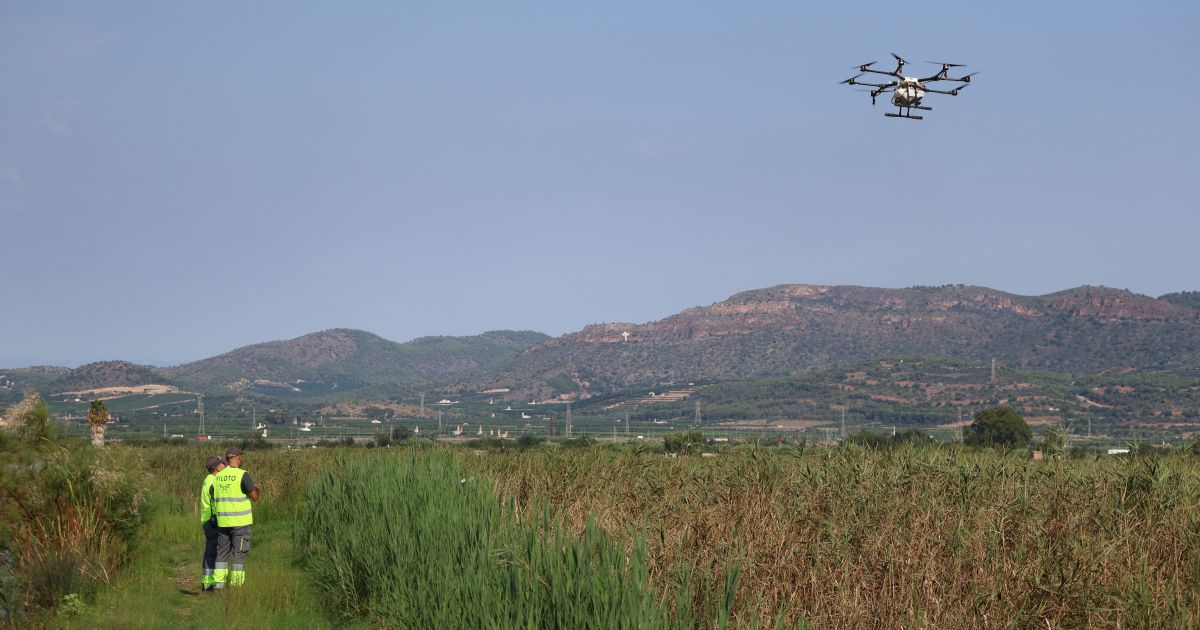
Residents of Sagunto reported only 68 mosquito complaints between January and 7 September, 82% fewer than the 385 recorded in the same period of 2025, according to the City Council.
This year, one of Sagunto's most common summer complaints has dropped sharply. Between 1 January and 7 September, the local administration received just 68 citizen reports about mosquitoes, far below the 385 logged over the same dates in 2025 — an 82% fall. Looking one year further back, the trend holds too: 2024 saw 228 complaints in the same stretch of the calendar, 70% more than in 2026.
Why does this figure matter so much in the middle of summer? Because the hottest months are exactly when complaints usually multiply, as the combination of high temperatures and pooled or stored water speeds up mosquito breeding. Sources at the municipal Health Department say keeping the number so low despite that seasonal advantage for mosquitoes is mainly down to a reinforced surveillance operation that runs every year from March to October.
That operation rests on several strands. On one hand, municipal staff regularly check storm drains, sewer networks and other spots around the city where water can pool, aiming to spot and neutralise breeding sites before they cause trouble. On the other, monitoring is stepped up especially in the most humid, vegetation-heavy areas — the marjal wetland and the municipality's flood-prone land — which technicians visit up to three times a week. To clear any breeding sites found, the Council relies mainly on biological larvicides, an option that halts mosquito reproduction without harming the other species living in those habitats.
The fight against mosquitoes is not limited to the work of municipal crews. Since 2024, Sagunto has also taken part in a specific regional plan against the tiger mosquito, run by the Conselleria de Agricultura (the Valencian regional agriculture department) through what is known as the Sterile Insect Technique (SIT). It works by releasing large numbers of previously sterilised male mosquitoes into the urban environment; they seek to mate with wild females, and because those pairings produce no offspring, the next generation shrinks without any extra insecticide. The current phase of the project involves releasing more than 18,000 sterile males every week until early December, with release points including Triángulo Umbral, Plaza Cronista Chabret and Plaza de l'Aljub.
The city's effort against this particular species goes beyond avoiding annoying bites: the tiger mosquito, scientifically known as Aedes albopictus and the direct target of the SIT programme, can transmit illnesses such as dengue, and has been linked in Europe to chikungunya outbreaks, including one detected in the Italian city of Ravenna. That public-health angle largely explains why both the regional government and local councils have expanded their monitoring programmes in recent years. For residents, this means that every complaint reported not only helps reduce the nuisance of bites but also contributes to epidemiological surveillance across the comarca.
From the Health Department, Councillor Javier Timón has expressed satisfaction with the results seen in 2026, though he also issued a warning: mosquito numbers can spike from one year to the next depending on the weather, so any episode of heavy rain or sustained heat could quickly change the picture. Timón stressed the Council will not let its guard down and will keep adjusting its actions as the situation develops for the rest of the season.
The Health Department also points out that many breeding sites are not on public streets but inside private properties — patios, terraces, gardens — where a forgotten container, a saucer under a plant pot or an abandoned tyre is enough for pooled water to become a breeding ground. For that reason, the Council's advice is to empty, cover or regularly change the water in anything capable of holding it. Anyone who spots an unusual number of mosquitoes on their street or plot can report it directly to the department by emailing [email protected] or through the City Council's app, a channel that helps technicians focus treatments where they are actually needed. According to El Periódico de Aquí — Sagunto/Camp de Morvedre, with additional data from Wikipedia on the tiger mosquito and the Sterile Insect Technique.