Compromís asks Sagunto council to buy composer Joaquín Rodrigo's birth house
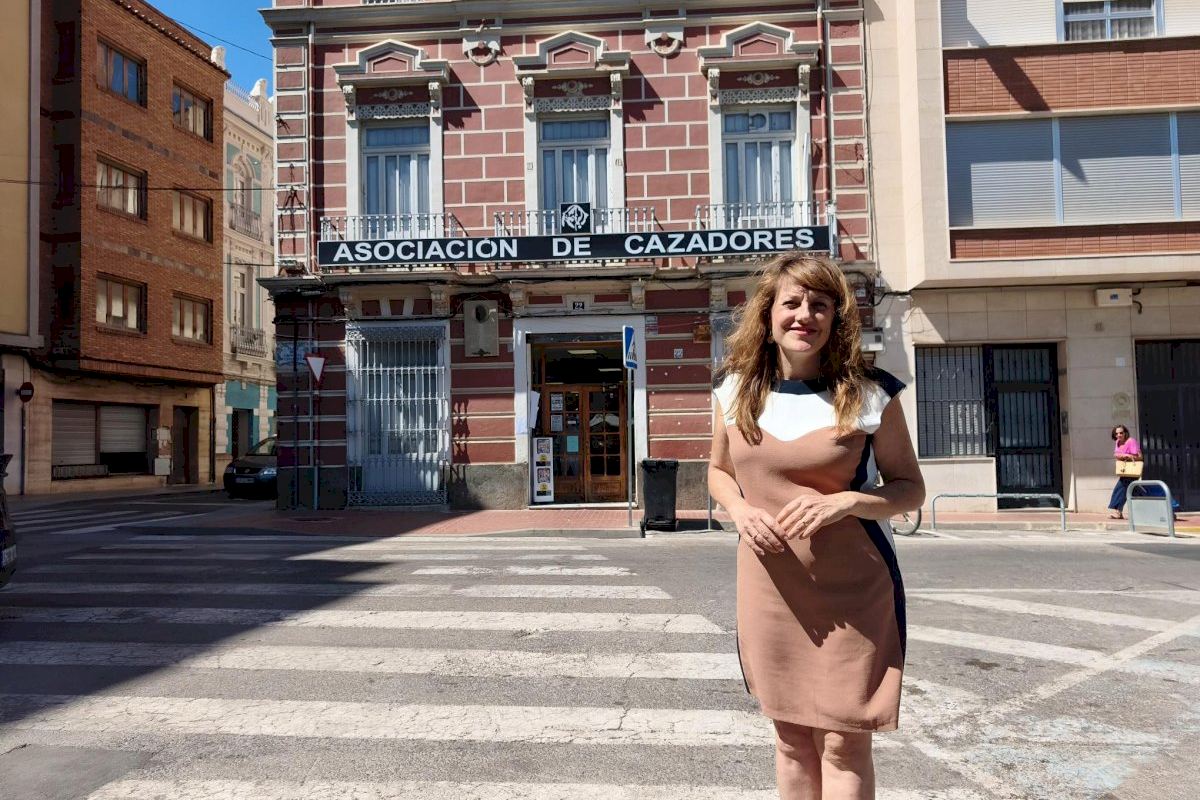
Compromís has proposed that Sagunto City Council buy the house where composer Joaquín Rodrigo was born, so it can become part of the city's municipal heritage.
The Compromís party (a Valencian left-leaning political alliance) has put forward a proposal to Sagunto City Council to buy the house where composer Joaquín Rodrigo was born, with the aim of adding the building to the city's municipal heritage assets. The party argues the house holds historical and cultural value that justifies protecting it and listing it among the city's heritage properties, though available information does not yet specify the purchase price or a timeline for the operation.
Joaquín Rodrigo was born in Sagunto on 22 November 1901, a biographical fact that underpins much of the proposal's heritage argument: the direct link between the composer and the city is why Compromís believes the house deserves special treatment, beyond its value as an ordinary private property. Rodrigo is considered one of the most influential Spanish composers of the 20th century, despite having been blind since childhood after suffering diphtheria, and his name remains permanently tied to Sagunto's cultural identity.
The work that launched Rodrigo to international fame was the Concierto de Aranjuez (Concerto of Aranjuez) for guitar and orchestra, which premiered in Barcelona in 1940 and went on to become one of the most widely performed Spanish compositions in the world — an achievement Compromís cites as further reason to preserve his birth house. Rodrigo's recognition did not stop there: in 1996 he also received the Príncipe de Asturias Award (one of Spain's most prestigious honours), granted for his extraordinary contribution to Spanish music and the international reach he gave it. It is another biographical milestone that, Compromís notes, reinforces the case for preserving the house where he was born as part of the city's cultural heritage.
The proposal fits into an ongoing debate over how to manage cultural heritage tied to historical figures born in Sagunto, an issue that in recent years has prompted similar initiatives elsewhere in the Valencian Community to preserve buildings linked to notable figures in culture or science. Compromís argues that, if the purchase were approved, the building could be used for a museum, cultural or heritage purpose, though no specific plans or the property's current state of conservation have been detailed so far. It is worth noting that adding a building to a city's municipal heritage list does not automatically mean it gains Spain's highest protection status, known as Bien de Interés Cultural or BIC (Asset of Cultural Interest, regulated under Law 16/1985): municipal heritage catalogues allow for more flexible levels of protection, designed precisely for buildings of local historical value such as the one this proposal seeks to protect.
The municipal group has thus passed the decision to the governing team on whether to study, and if appropriate process, the purchase of the property — a process that in this kind of operation usually requires an official heritage appraisal and negotiation with the owner before the council can formally state whether the purchase is viable. So far there is no report on whether the council has taken a position on the proposal, or whether other municipal groups have commented on it.
According to elperiodic.com, with additional background from Wikipedia on Joaquín Rodrigo's biography.