Compromís proposes a municipal bike rental scheme in Sagunto
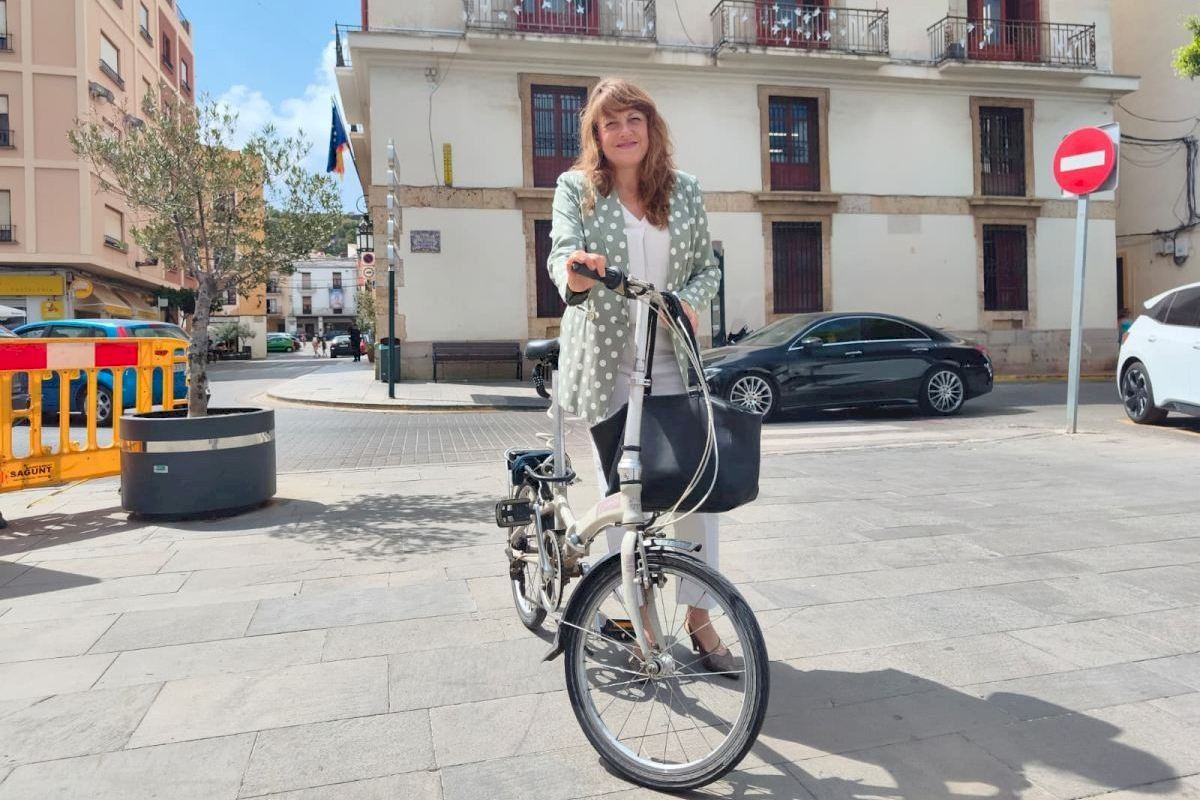
Sagunto's Compromís council group will bring a motion to Thursday 3 September's plenary session proposing a municipal bike rental scheme, which the party says is already included in the city's Sustainable Urban Mobility Plan.
The Compromís group on Sagunto City Council has put forward a motion with a specific proposal: creating a municipal bicycle rental scheme for the city. The Valencianist party (Compromís, a left-leaning Valencian regionalist bloc) says the measure is already included in the municipality's Sustainable Urban Mobility Plan (Plan de Movilidad Urbana Sostenible, or PMUS), the document that sets out the city's priorities for traffic, public transport and active mobility in the coming years.
The proposal comes just two days after it emerged that Thursday 3 September's ordinary plenary session includes several mobility-related motions among its eighteen agenda items. Compromís's motion spells out one of those items in detail: a public bike-loan service that residents could use for short trips around the municipality, similar to schemes already running in other cities in the Valencian Community.
A Sustainable Urban Mobility Plan is the tool local councils use to prioritise investment in cycle lanes, public transport and pedestrian areas over private car use. If Sagunto's plan already envisages a bike-share system, as Compromís argues, the motion would set a political timetable for rolling it out rather than leaving it on paper. For residents, rental bikes would offer a low-cost option for short trips between neighbourhoods — especially between Sagunto's historic centre and Puerto de Sagunto (the coastal district), two areas several kilometres apart and connected by busy roads.
The municipal bike rental systems most commonly used in Spanish towns Sagunto's size combine fixed docking stations around the town, where users pick up and return bikes, with hourly rates or monthly passes designed for short trips. Compromís has not specified in its motion whether it envisages this model or a dockless one, without fixed stations, nor how much initial investment the project would require.
Like other motions debated at council plenaries, Compromís's proposal is non-binding if approved: if it passes, the municipal government would be urged to study putting it into practice, but not obliged to carry it out within a set timeframe. It will be up to the governing team to decide, depending on budget availability, whether to include the measure in future municipal budgets.
The debate also comes at a time when road traffic between the historic centre and Puerto de Sagunto has been increasing, alongside the region's industrial growth linked to projects such as the PowerCo battery gigafactory. For residents' and active-mobility associations, having a sustainable transport option between the two areas could ease some of that pressure, although any such system would first require a technical and financial feasibility study that the City Council has not yet started, according to available information.
How much a bike-share system costs to set up varies widely depending on the number of bikes and stations planned, but in towns of Sagunto's size it typically runs to several hundred thousand euros for the initial phase, on top of annual costs for maintenance, redistributing bikes between stations and running the service — usually outsourced to a specialist company. None of these figures appear in the motion filed by Compromís.
The proposal adds to other sustainable mobility initiatives raised in the municipality in recent years, at a time when growing population and economic activity in the area — driven partly by new industries setting up — have put the spotlight on the need for alternatives to private cars. Environmental and urban cycling groups have long been calling for a wider, more joined-up network of cycle lanes linking the different neighbourhoods of Sagunto and Puerto de Sagunto.
Motions like this one, while non-binding, usually work as a political gauge: if other council groups back the proposal, it raises pressure on the governing team to take up the measure in the short or medium term; if it fails to win majority support, the debate typically resurfaces at future sessions without the project moving forward.
The motion still needs to be debated and voted on at Thursday's plenary, where Compromís will need support from other council groups for it to pass. Until the session takes place, it will not be clear whether the rest of the council backs the new service or what timeline is being considered for launching it.
Thursday's plenary session can be followed live through Sagunto City Council's usual channels, where alongside this motion the council will also debate other agenda items already reported by this outlet, such as water bill discounts and institutional support for Ceuta.
According to elperiodic.com.